
The Sushruta Samhita, one of the most authoritative Ayurvedic texts, offers profound insights into rejuvenation (rasayana), prevention of aging, and the pursuit of long life. Among its most fascinating sections is the description of Soma Rasa, a divine elixir revered as a protector against decay and death.
✨ Soma in Ancient Wisdom
According to the Sushruta Samhita, the gods themselves once created a heavenly ambrosia—Soma—to preserve vitality and extend life. This mystical plant, celebrated in Vedic hymns, was said to grant strength, clarity of mind, and immunity against decay.
Interestingly, the text classifies Soma into 24 distinct varieties, each differing in form, habitat, and potency. Some of the sacred names include:
- Amshuman
- Munjavan
- Candramah
- Rajataprabha
- Svayani-prabha
- Maha-soma
- Garudahrita
- Gayatrya
- Agnishtoma
- Raivata
- Udupati
Despite their diversity, all species of Soma were believed to carry similar rejuvenating virtues, deeply tied to the spiritual essence of the Vedas.
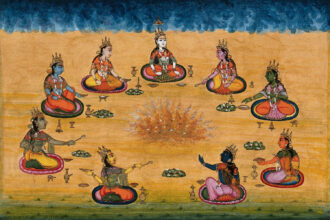
🕉️ Ritual Use of Soma
The preparation and use of Soma Rasa required a highly sanctified environment. According to the Samhita:
- The practitioner would reside in a protected chamber with strict rituals.
- The Soma plant’s milky essence was carefully extracted using golden or silver vessels.
- The aspirant consumed the juice after purification of the body and strict observance of Yama and Niyama (moral and spiritual disciplines).
- After consumption, one was expected to remain alert, avoid excessive sleep, and live in complete sensory discipline.
The process reflected not just physical rejuvenation, but a path of spiritual alignment.
🌱 Effects of Soma Rasa
The Samhita describes a fascinating sequence of transformations after consuming Soma:
- First week: Vomiting and expulsion of impurities, followed by extreme physical weakness.
- Second week: Renewal begins—fresh skin, new nails, and teeth appear.
- Following weeks: Radiance returns, muscles regain strength, hair grows back, and the body assumes a youthful glow resembling the brilliance of gemstones or lotus blossoms.
Ultimately, the Soma drinker was believed to:
- Live for thousands of years in robust health.
- Develop extraordinary physical power, comparable to a thousand elephants.
- Gain resilience against fire, poison, water, and weapons.
- Radiate divine beauty and intelligence, embodying the wisdom of the Vedas.
🏔️ Habitats of Soma Plants
Soma was believed to thrive in sacred geographies, especially the great mountain ranges of India:
- Himalayas
- Arvuda
- Sahya
- Mahendra
- Malaya
- Vindhya
- Shri-Parvata
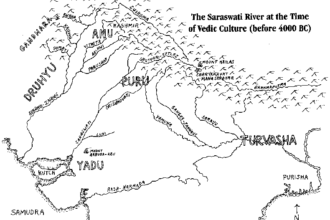
Additionally, some species were said to float on holy waters, such as Lake Manasa in Kashmir and the mighty Sindhu (Indus River).
🌌 Symbolism and Mystery
Soma plants were considered invisible to the unworthy—those lacking faith, gratitude, or respect for divine knowledge. This reinforced the belief that Soma was not just a plant, but a spiritual key accessible only to the pure of heart.
❓ FAQ (SEO-Friendly)
Q1: What is Soma Rasa in Sushruta Samhita?
Soma Rasa is described as a divine elixir in the Sushruta Samhita, believed to rejuvenate the body, extend life, and elevate spiritual consciousness.
Q2: How many types of Soma plants are mentioned?
The text lists 24 varieties of Soma, each with unique forms and habitats but shared rejuvenating powers.
Q3: Where was Soma believed to grow?
Soma thrived in sacred mountains like the Himalayas, Vindhyas, and Malaya, and even floated on waters such as Lake Manasa and the Sindhu River.
Q4: What effects did Soma Rasa have on the body?
It purified the body, regenerated skin, nails, teeth, and hair, restored radiance, and conferred extraordinary strength and longevity.
Q5: Was Soma only medicinal or also spiritual?
Soma was both—it rejuvenated the body and symbolized spiritual purity, accessible only to those with discipline, devotion, and moral integrity.
🔔 Conclusion
The Sushruta Samhita’s description of Soma Rasa blends medicine, ritual, and spirituality into a vision of ultimate rejuvenation. While modern science may not identify the exact Soma plant, the text reveals a timeless aspiration of humanity—to conquer decay, live in harmony with nature, and attain both physical and spiritual vitality.
In Ayurveda, such passages remind us that longevity is not merely about extending years, but about preserving vitality, purity, and balance with cosmic order